Golden Hour Collective is not a company with a staff list. It is a small group of painters and printmakers who share the same floor, the same press and the same running costs.
That arrangement decides almost everything about the place. Nobody is here to manage a brand. People are here to make work, hang it, and keep the lights on together.
Rent, ink, paper and press maintenance are split between the members. When a decision affects the room, it gets talked through by the people who use it, not handed down from an office.
The gallery mounts six exhibitions annually, mostly mid-career South African artists. Between shows the same room turns back into a working print studio, and the walls come down to bare brick and whitewash.
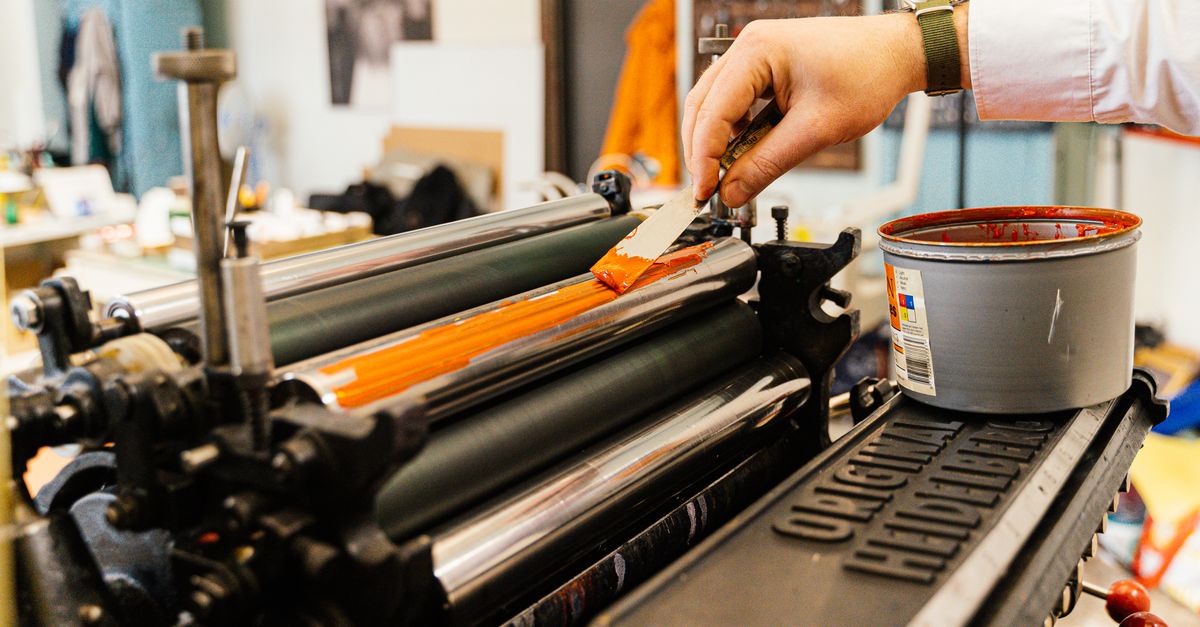
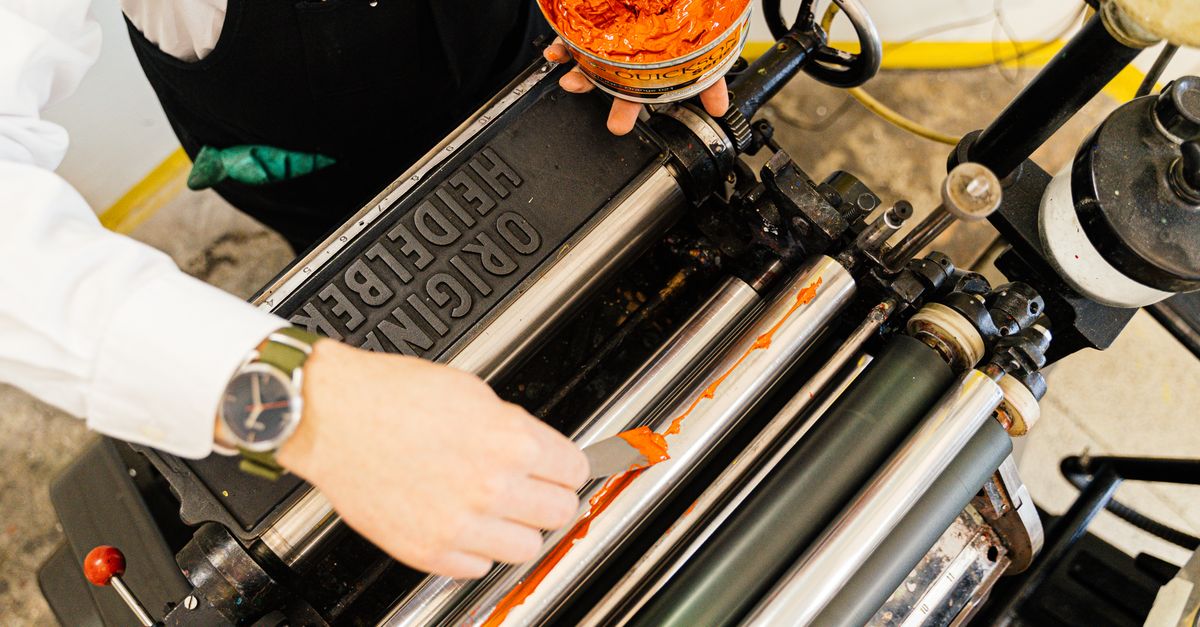
Editions are pulled on a 1970s American platen press. It is slow, it needs attention, and it leaves a slightly uneven surface that a newer machine would flatten out. That is the point.
When nothing is on the walls, the space is hired out quietly for book launches and portfolio reviews. It keeps the studio funded without turning it into an events hall.
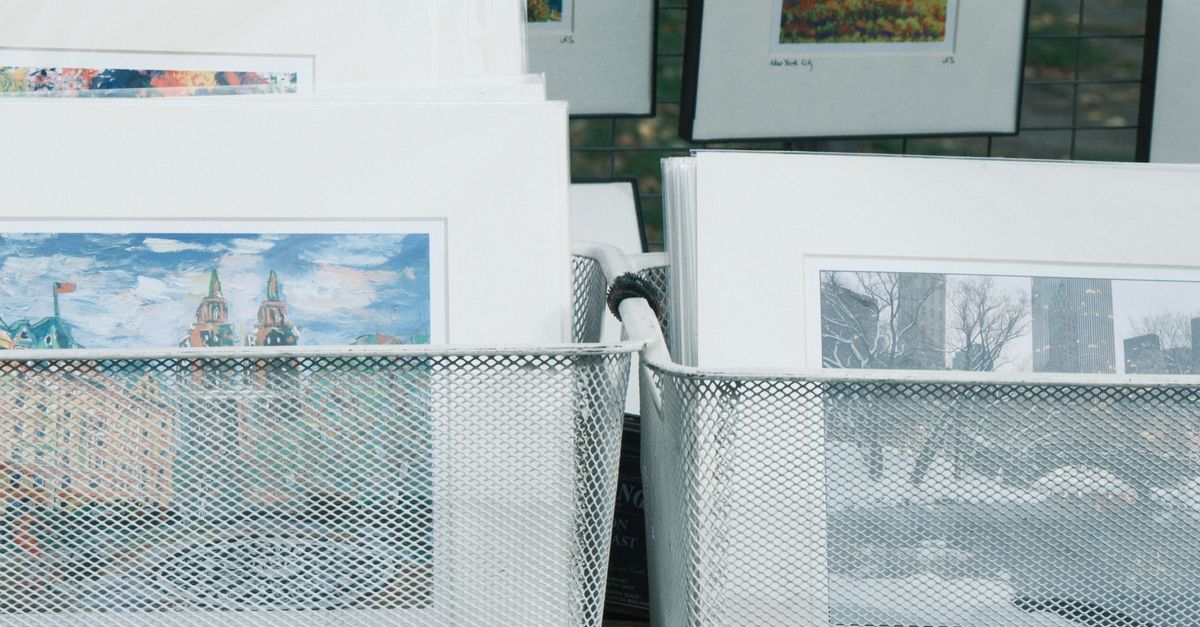
The finishes stay plain on purpose: raw industrial surfaces, exposed brick, whitewashed walls, and hand-set captions beside each work. A rack of unframed artist proofs sits at the entrance for anyone who wants to start small. If you want to see how the room is used, the studio is at The Firs, 32 Seventh Avenue, Rosebank, Johannesburg, 2196, South Africa.
Golden Hour Collective is a small group of painters and printmakers who share one space and split its costs between them.
That arrangement is the whole character of the place. Because nobody carries the rent alone, the room can stay in use rather than sit idle between shows. The gallery mounts six exhibitions a year, mostly mid-career South African artists, and when a show comes down the same walls become a working print studio again. Editions are pulled on a 1970s American platen press that lives at the back, and the noise of it is part of the daily rhythm here.
We work in oil, linocut, screenprint and mixed media on paper. Nothing about the room is polished for its own sake: raw industrial surfaces, exposed brick, whitewashed walls, and hand-set captions placed beside each work instead of printed wall panels. The finishes stay plain because the work should be the loudest thing in the room.
A rack of unframed artist proofs sits at the entrance for anyone who wants to take something home without committing to a large canvas. Between exhibitions the space also doubles as a quiet hire venue for book launches and portfolio reviews, when the walls are bare and the light is good.
Find the studio
The Firs, 32 Seventh Avenue, Rosebank, Johannesburg, 2196, South Africa
Golden Hour Collective is not a gallery with a studio attached, and it is not a studio that hangs a show now and then. It is one room doing both jobs, held together by a small group of painters and printmakers who split the rent, the electricity and the awkward jobs that keep a space running.
That arrangement is the whole idea. Nobody here is a landlord and nobody is a tenant. When the walls come down after a show, the same floor becomes a working print studio again, and the people who hung the work are the ones inking up the press the following week.
The gallery mounts six exhibitions a year, mostly mid-career South African artists. Between them the room is cleared, swept and put back to work.
The media that come out of this room are oil, linocut, screenprint and mixed media on paper. The walls and the press feed each other.
Editions are pulled on a 1970s American platen press. On open press days visitors can watch a run come off it, sheet by sheet.
A rack of unframed artist proofs sits at the entrance, kept for people who want to buy something small without committing to a large canvas.
The finishes stay plain and material-led: raw industrial surfaces, exposed brick, whitewashed walls, and hand-set captions beside each work. The space also doubles as a quiet hire venue for book launches and portfolio reviews, when the room is not mid-show.
The Firs, 32 Seventh Avenue, Rosebank, Johannesburg, 2196, South Africa
A few views of the working space: whitewashed walls, exposed brick, a press that has been running since the 1970s, and prints drying wherever there is a free surface. The images below show the kind of room the collective shares, not a catalogue of finished works.
A gallery that also has to pay for its own press, ink and paper makes different choices than one that rents a white room for a season. Here the people who run the space are the same people who carve the blocks, mix the ink and stand at the press. That changes what gets shown and how long a show stays up.
Costs are split between a small group of painters and printmakers, so nobody is carrying the whole room alone. The trade-off is slower scheduling and fewer, more deliberate exhibitions. We think that is the right trade.
Between exhibitions the same floor becomes a working print studio. Editions are pulled on a 1970s American platen press, so the ink sits unevenly on the sheet in a way a modern cylinder press would flatten out.
The gallery mounts six exhibitions a year, mostly mid-career South African artists working in oil, linocut, screenprint and mixed media on paper. Fewer shows means each one gets the time it needs to be hung and lit properly.
Unframed artist proofs sit at the entrance for anyone who wants to buy something small without committing to a large canvas. They come from the same blocks and screens as the editioned works on the walls.
The space doubles as a hire venue for book launches and portfolio reviews. Raw industrial surfaces, exposed brick and whitewashed walls stay as they are, with hand-set captions beside each work rather than printed wall vinyl.
Questions about a visit or a hire? Get in touch with the studio.
We use a small amount of local storage to remember how you interact with this site, so returning visitors see a smoother experience. Nothing here is shared with advertisers, and you can read the details in our privacy policy. Choose whichever option feels right for you.