Golden Hour Collective

What the walls hold, and what the press adds

Six shows a year, mostly mid-career South African artists, and a studio that keeps working between them. The images below follow the media we actually handle: carved block, exposed screen, oil on board, and the paper that sits under all of it.

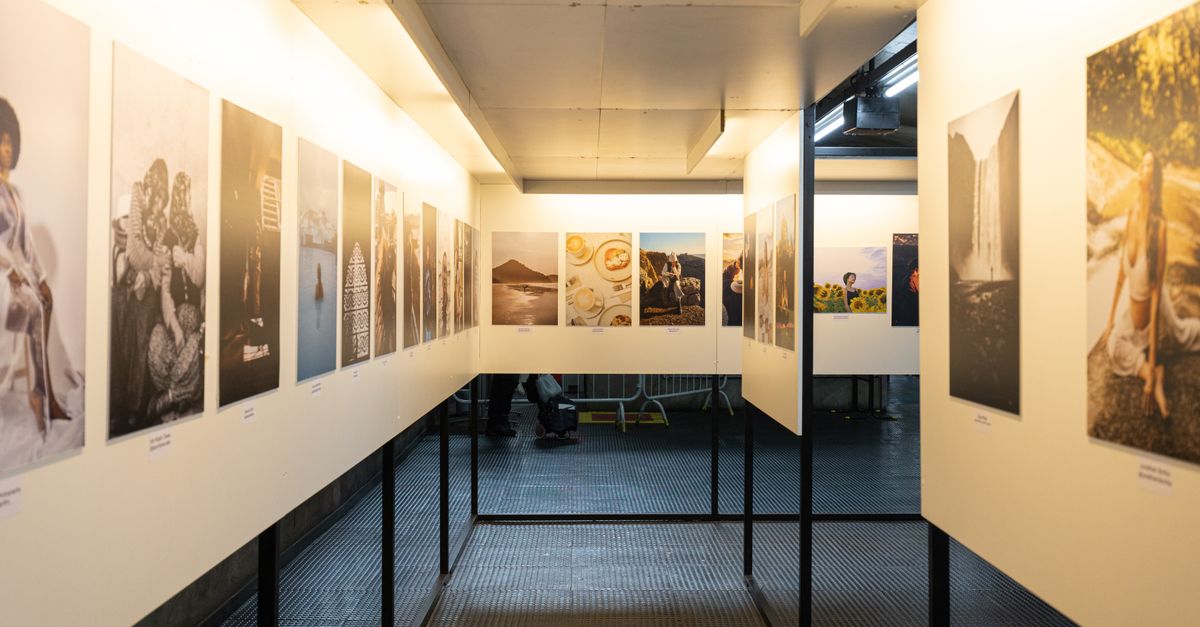
A single year can move from dense colour to quiet line work. The room stays the same from show to show, so what changes is the work and the light falling across it.

Golden Hour Collective: projects

Linocut editions

Drawings go straight onto the block, so the cut marks survive into the print. Short runs, pulled by hand, with small shifts between sheets.

Golden Hour Collective: projects

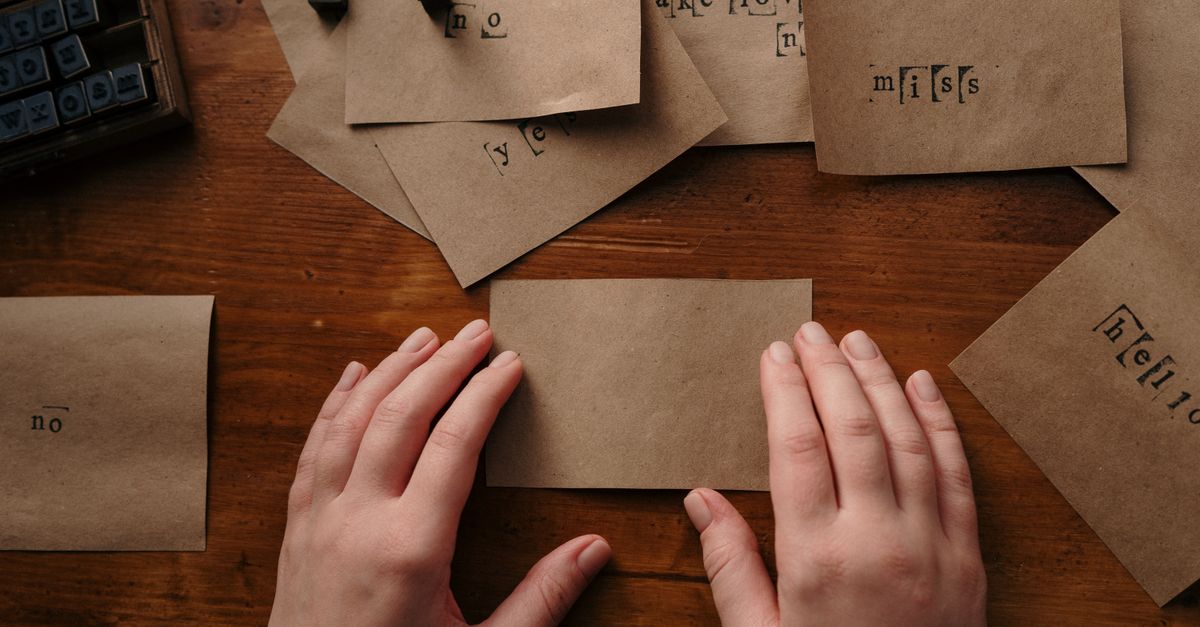
Mixed media on paper

Screenprinted grounds worked over with charcoal and chalk. The chalk lifts in afternoon light; the charcoal keeps its shadow.

Golden Hour Collective: projects

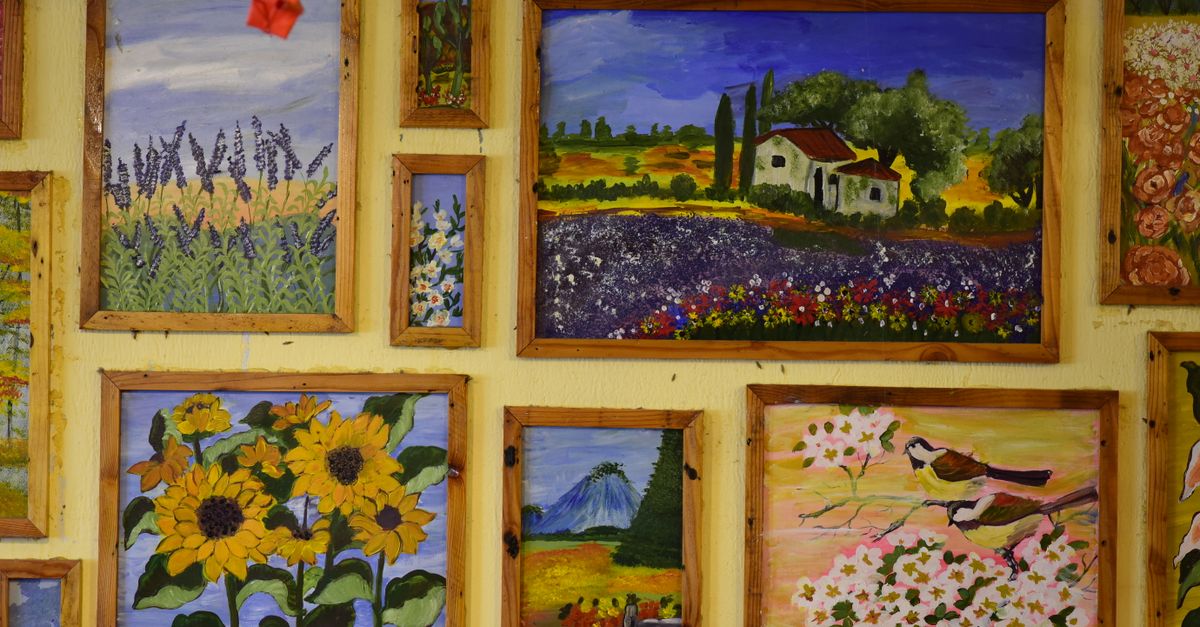
Oil on board

Painted in the back room between exhibitions, on board rather than canvas. A limited palette of ochre, charcoal grey, burnt umber and white.

Golden Hour Collective: projects

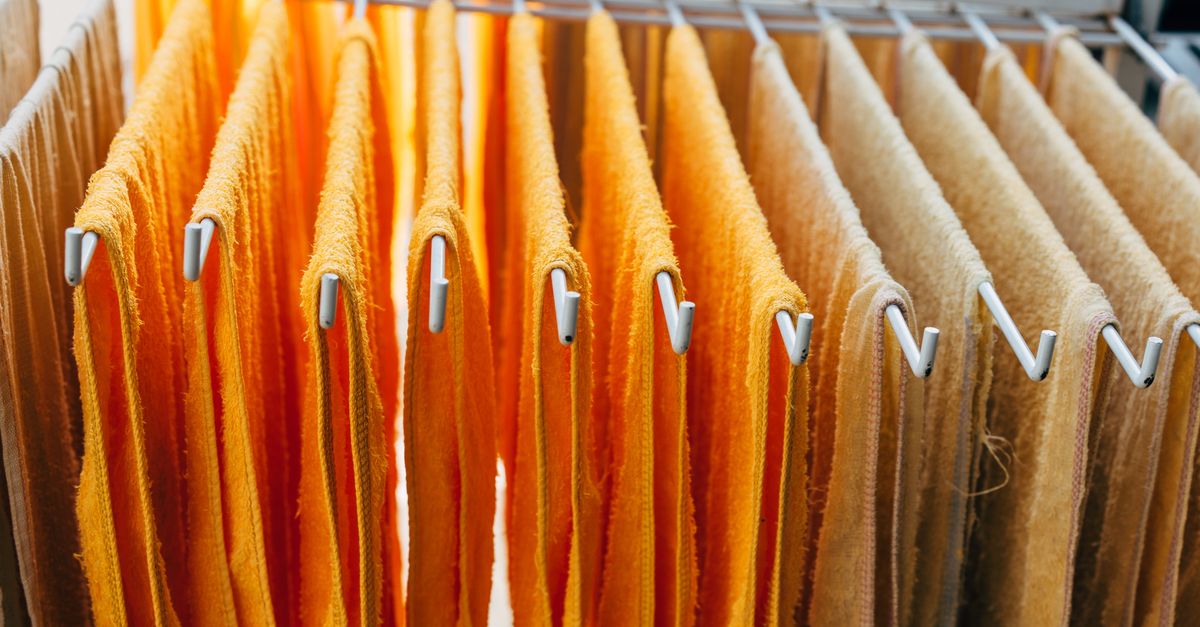
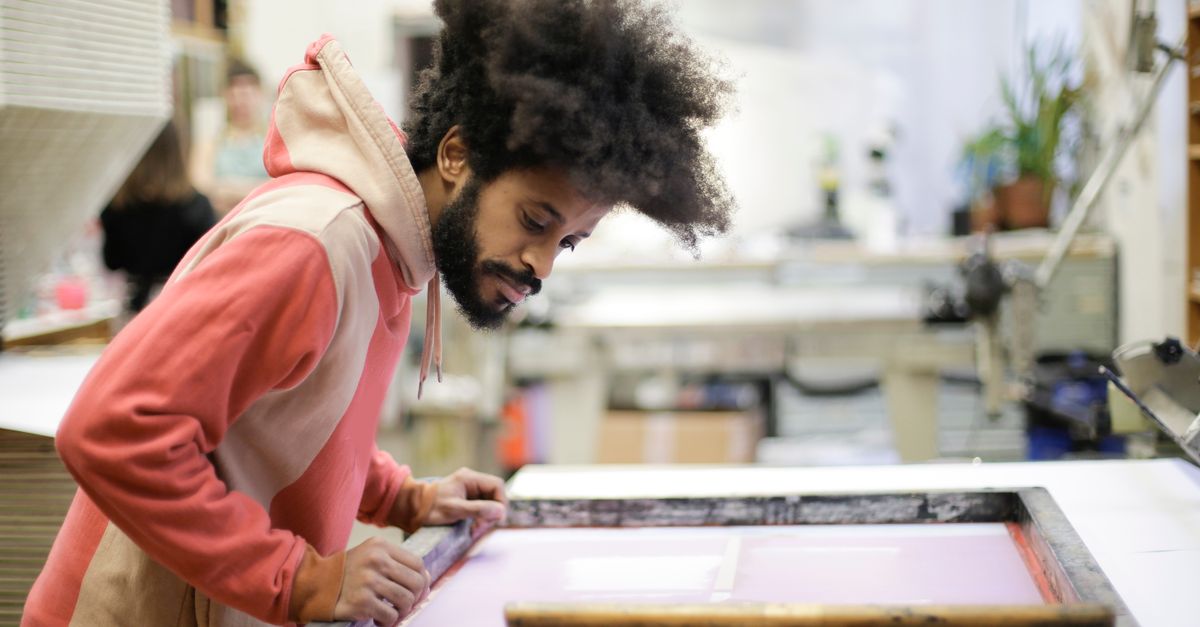
Screenprint, one colour at a time

A three-colour edition can take a full week, because each layer has to cure before the next is pulled. Editions stay small so the colour holds across the run.

Golden Hour Collective: projects

The proof rack by the door

Sheets pulled outside the numbered edition, restocked after every new run. Unframed, so they are an easier first purchase than a large canvas.

Five projects from the studio floor

The gallery mounts six exhibitions a year, and the work between them happens here: blocks get carved, screens get exposed, boards get primed. What follows is a working record of that side of the space, from a linocut run on the old platen press to the proof rack by the door.

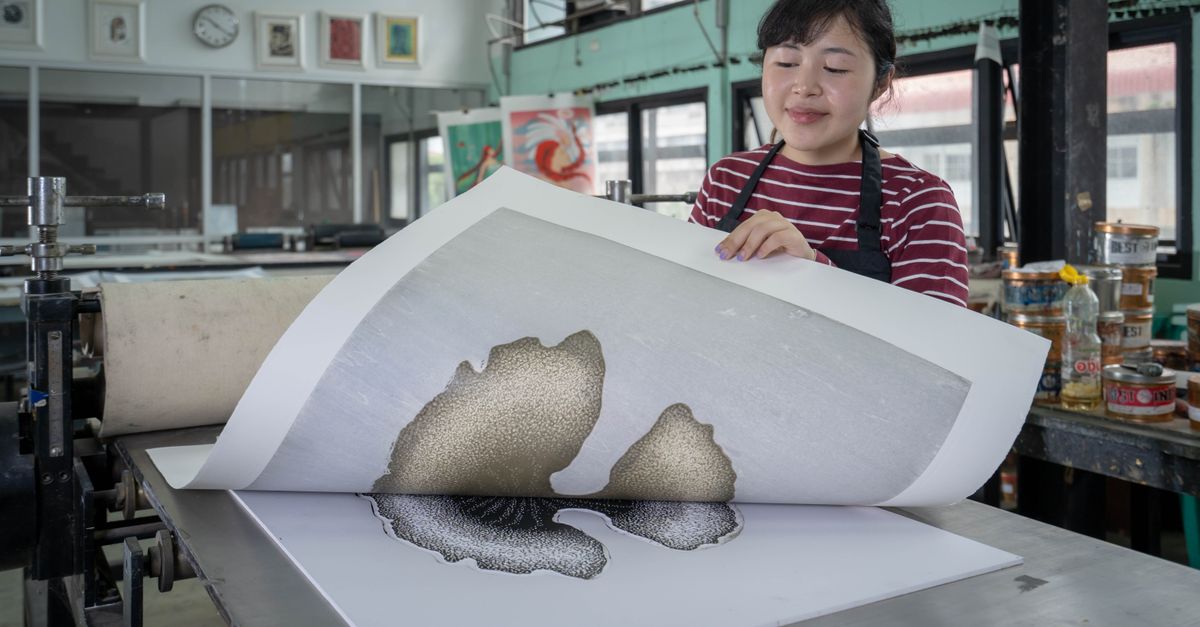
Hands inking a carved linoleum block beside a small printing press in a studio

Ochre Ground: New Linocut Editions

Six weeks of carving, inking and pulling on the old platen press

The drawings for this series were cut straight into the block, so the tool marks stay in the finished print. Each image is pulled in small runs on the 1970s platen press, which leaves the ink slightly uneven where a cylinder press would flatten it out. Registration is set by eye and corner marks, so a small shift between sheets is part of the edition rather than a fault. On open press days you can watch a run come off the press and see how the same block reads differently depending on paper and pressure.
Charcoal and chalk marks on a sheet of textured paper resting on a studio table

Charcoal and Chalk: Mixed Media on Paper

Works that sit between drawing and print, shown in the main room

Each piece starts as a screenprinted ground, then gets worked over with charcoal and chalk until the printed layer is half buried. The surface shifts as you move past it, because the chalk catches the afternoon light while the charcoal holds shadow. Paper matters here: heavier cotton rag takes the wet screenprint without cockling, while lighter sheets buckle and get set aside. The works hang unframed in the main room so the deckled edges stay visible, and a few related studies sit in the flat file for anyone curious about how a composition developed.

Screenprinting frame and squeegee on a workbench with drying prints on a rack

Screenprint Editions from the Shared Studio

Colour layers, drying racks and the slow work of registration

Screenprinting here is planned around drying time as much as around colour. A three-colour edition can take a full week, because every layer has to cure before the next one is pulled, and humid days stretch that further. Screens are exposed in the small darkroom at the back, where a misjudged exposure only shows up later as a soft or clogged edge. Editions stay small so the colour holds across the run, and sheets that drift are marked as proofs rather than sold as part of the numbered set. Most of the rack by the entrance comes from these runs.

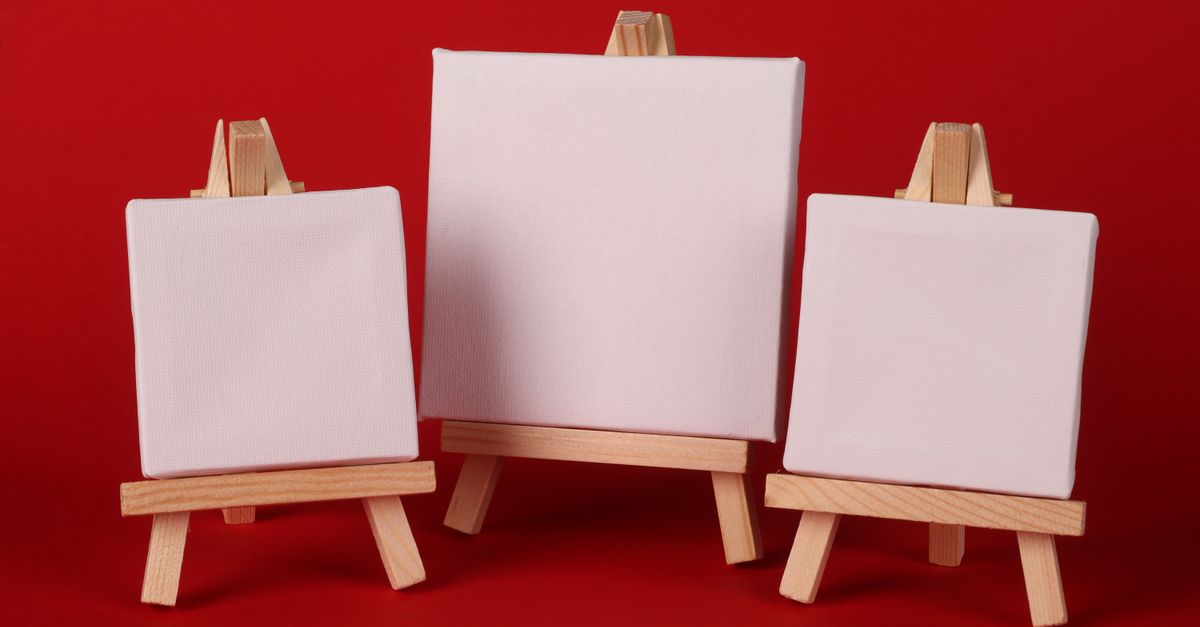
Small oil paintings on board leaning against a whitewashed studio wall

Oil on Board: Small Works from the Back Room

Paintings made between exhibitions, at a scale that fits a wall at home

These are painted on board rather than canvas, which gives a firmer surface and keeps the brush marks crisp. Most were made in the back room over a few sittings, working from a limited palette of ochre, charcoal grey, burnt umber and white. Because they are small, they tend to be the first thing a visitor can actually take home, and they sit somewhere between a study and a finished work. The boards show unframed or in simple timber trays, and each one carries a written note of its ground colour and date on the reverse.

Rack of unframed prints on paper near the entrance of a gallery space

The Proof Rack: Buying a Print Without the Commitment

Unframed artist proofs kept at the entrance, priced for a first purchase

The rack by the door holds unframed artist proofs, the sheets pulled outside the numbered edition, usually to check colour or registration before a run is finalised. They come from the same blocks and screens as the editioned work, but they may carry a slight shift, a lighter inking or a pencil note in the margin. Unframed and unnumbered, they cost less than the works on the walls, which makes them a sensible first purchase. Staff can talk you through what is different about each sheet, and the rack is restocked after every new edition is pulled.

What the programme gives you, show after show

Six exhibitions a year is a rhythm, not a slogan. It means the walls change often enough that a single visit never tells the whole story of what the studio is working on, and it means the print side and the painting side keep feeding each other. Here is what that actually looks like when you walk in.

If you want the fuller picture of how the gallery and the press share one room, the studio notes in Resources go into more detail.

A year that shifts medium

One show can be dense oil colour, the next quiet line work on paper. Because the programme moves between oil, linocut, screenprint and mixed media, you see range across a year rather than the same surface repeated.

Captions you can actually read

Every work is installed with a hand-set caption beside it, so you get the medium, the process and the thinking without hunting for a wall text or a QR code. The raw industrial room stays the same from show to show, which keeps attention on the work.

The press between shows

When the walls come down, the studio takes over and editions are pulled on the 1970s American platen press. That overlap is the point: you can follow a print from carved block to numbered sheet, and see how the painting side and the print side inform each other.

A way in without a big commitment

The rack of unframed artist proofs at the entrance is restocked after each new edition, so a first purchase does not have to be a large canvas. It is a straightforward way to start collecting from the studio.

A room that can go quiet

Between exhibitions the space doubles as a hire venue for book launches and portfolio reviews. If you are planning something that needs a plain, unhurried room rather than a dressed event hall, the contact page is where to ask about it.

Come and see what is on the walls

The programme runs to six shows a year, and the room changes completely between them. If you are nearby, the simplest thing is to walk in and look. If you would rather have someone talk you through the work, a studio walkthrough covers the current exhibition, the print side of the space and the proof rack by the door.

Tell us what you would like to book and roughly when, and we will check it against the exhibition calendar and the press schedule. No rush on the reply, and nothing is confirmed until you hear back from the studio.

Prefer to start from the beginning? See how the gallery and print studio work, or reach the studio directly at hello@israelseniors.com or +27 86 832 8313. The Firs, 32 Seventh Avenue, Rosebank, Johannesburg, 2196, South Africa.